
U.S. Contractors Board Directory: Verify, Apply and Find the Correct Official Route
Use the project location and exact work type to find the right state board, registration program, trade agency or local licensing route. Then read the live record correctly—legal name, status, classification, qualifier, bond or insurance information, discipline and permit requirements—before hiring, bidding or paying.
Independent guide: ContractorsBoard.org is not a government agency and cannot issue, renew, suspend or officially verify a contractor license. Rules, portals, fees, classifications, thresholds and contact details can change. Complete final actions through the current official state or local source.
Start With the Project Address, Then Match the Credential to the Work
There is no single national contractors board or universal U.S. contractor license. The project state and locality usually control the route. After that, identify the work category, property type, project value and whether a separate electrical, plumbing, HVAC, roofing, solar, asbestos, elevator or public-works credential applies.
Three Common Contractor Licensing Systems
The words board, license and registration do not mean the same thing everywhere. Some states have broad contractor boards, some regulate only residential work or selected trades, and some leave ordinary general-contractor licensing mainly to cities and counties.
| Record type | What it may confirm | What still needs checking |
|---|---|---|
| State contractor license | Approved entity, classification, qualifier, status or monetary authority. | Local permits, insurance, project scope and separately regulated trades. |
| Contractor registration | Required filing, bond, insurance, tax or workers’ compensation compliance. | Whether an exam, trade credential or local license is separately required. |
| Trade license | Electrical, plumbing, HVAC, roofing or other specialty authority. | Whether the business may manage unrelated construction work. |
| Local contractor license | Authorization in a named city or county. | State credentials and authority in other local jurisdictions. |
Find the Official Contractor Licensing Route for Your Project State
Select the state where the work will occur and the main work type. This tool gives a state-level starting point; it does not replace local permit, trade or city licensing checks.
U.S. Contractors Board and Licensing Directory
Use the search box for a state, agency or work type. “Official route” means the best state-level starting point identified for that jurisdiction; city or county licensing and permits may still apply.
Showing 51 jurisdictions.
Alabama
Alabama Licensing Board for General Contractors
Check general-contractor status and separately review residential home-builder and electrical-board requirements.
Open official Alabama routeAlaska
Construction Contractors Program
Confirm license type, bond, insurance, residential endorsement and any separate trade certificate.
Open official Alaska routeArizona
Arizona Registrar of Contractors
Verify the ROC number, legal entity, classification, qualifying party, bond and complaint history.
Open official Arizona routeArkansas
Arkansas Contractors Licensing Board
Choose the commercial, residential or specialty route and confirm any project-value threshold.
Open official Arkansas routeCalifornia
Contractors State License Board
Check active status, classification, personnel, bond, workers’ compensation and complaint disclosure.
Open official California routeColorado
Colorado Division of Professions and Occupations
Use DPO for regulated trades, then check the project city or county for general-contractor licensing and permits.
Open official Colorado routeConnecticut
Department of Consumer Protection
Check home-improvement or new-home registration, occupational licenses and municipal permit requirements.
Open official Connecticut routeDelaware
Delaware One Stop Construction Contractors
Verify contractor registration, business licensing, professional trades and county or city requirements.
Open official Delaware routeDistrict of Columbia
Department of Licensing and Consumer Protection
Check general contractor, construction manager, home-improvement and Board of Industrial Trades requirements.
Open official District of Columbia routeFlorida
Construction Industry Licensing Board
Confirm certified versus registered status, license category, business organization and local permitting.
Open official Florida routeGeorgia
Residential and Commercial General Contractors Board
Verify residential, light-commercial, general-contractor or specialty authority and qualifying-agent information.
Open official Georgia routeHawaii
Hawaii Contractors License Board
Check entity status, responsible managing employee, classifications, exams and local permits.
Open official Hawaii routeIdaho
Idaho Contractors Board
Verify contractor registration and separately check regulated trades and local construction permits.
Open official Idaho routeIllinois
Illinois Department of Financial and Professional Regulation
Check state-regulated trades, then verify municipal general-contractor or business licensing.
Open official Illinois routeIndiana
Indiana Professional Licensing Agency
Review state-regulated trades and confirm contractor licensing with the city or county where the work occurs.
Open official Indiana routeIowa
Iowa Contractor Registration
Confirm contractor registration, workers’ compensation compliance, trade licensing and local permits.
Open official Iowa routeKansas
Kansas Attorney General Roofing Registration
Check state roofing registration and the project city or county for general-contractor licensing and permits.
Open official Kansas routeKentucky
Department of Housing, Buildings and Construction
Verify electrical, plumbing, HVAC, fire-protection and other credentials plus local general-contractor rules.
Open official Kentucky routeLouisiana
Louisiana State Licensing Board for Contractors
Search license type, classifications, qualifying party, status and complaint resources.
Open official Louisiana routeMaine
Office of Professional and Occupational Regulation
General contracting is largely local; confirm electrical, plumbing, fuel and other state-regulated trades.
Open official Maine routeMaryland
Maryland Home Improvement Commission
Verify MHIC status for covered residential work and separate electrical, plumbing, HVAC and local requirements.
Open official Maryland routeMassachusetts
Home Improvement Contractor Program
Determine whether the project requires HIC registration, a Construction Supervisor License or both.
Open official Massachusetts routeMichigan
Michigan Residential Builders
Check builder, maintenance and alteration, company-license and salesperson requirements.
Open official Michigan routeMinnesota
Minnesota Residential Contractors
Verify residential building contractor, remodeler, roofer, qualifier and permit requirements.
Open official Minnesota routeMississippi
Mississippi State Board of Contractors
Confirm commercial or residential certificate, classification, monetary limit and qualifying party.
Open official Mississippi routeMissouri
Missouri Division of Professional Registration
Check state professional boards and city or county general-contractor licensing requirements.
Open official Missouri routeMontana
Montana Contractor Registration
Verify registration, workers’ compensation or exemption status, trade licenses and local permits.
Open official Montana routeNebraska
Nebraska State Electrical Division
Verify state electrical licensing and determine whether the project locality requires general-contractor registration.
Open official Nebraska routeNevada
Nevada State Contractors Board
Confirm active status, classification, monetary limit, qualifying individual, bond and discipline.
Open official Nevada routeNew Hampshire
Office of Professional Licensure and Certification
Review state-regulated trades and verify municipal contractor and permit requirements.
Open official New Hampshire routeNew Jersey
New Jersey Home Improvement Contractors
Verify HIC registration, insurance, regulated trade licenses and municipal permit requirements.
Open official New Jersey routeNew Mexico
Construction Industries Division
Confirm classification, qualifying party, examination, bond, permit and inspection requirements.
Open official New Mexico routeNew York
New York Licensing Services
Many general and home-improvement contractor licenses are issued by cities or counties.
Open official New York routeNorth Carolina
NC Licensing Board for General Contractors
Verify license status, classification, limitation, qualifier, continuing education and complaints.
Open official North Carolina routeNorth Dakota
North Dakota Contractor Licensing
Confirm license class, project-value authority, business standing and local permit requirements.
Open official North Dakota routeOhio
Ohio Construction Industry Licensing Board
Verify state commercial trade licenses and local general-contractor requirements.
Open official Ohio routeOklahoma
Oklahoma Construction Industries Board
Verify electrical, mechanical, plumbing, roofing and inspector credentials; general contracting is often local.
Open official Oklahoma routeOregon
Oregon Construction Contractors Board
Confirm active status, endorsement, responsible managing individual, bond, insurance and complaints.
Open official Oregon routePennsylvania
Pennsylvania Home Improvement Contractor Registration
Verify state HIC registration, separately regulated trades and city or municipal contractor requirements.
Open official Pennsylvania routeRhode Island
Contractors’ Registration and Licensing Board
Verify contractor registration, commercial roofing or specialty licensing, insurance and discipline.
Open official Rhode Island routeSouth Carolina
South Carolina Contractor’s Licensing Board
Confirm general or mechanical classification, group limitation, qualifier and active status.
Open official South Carolina routeSouth Dakota
South Dakota Licensing Boards and Commissions
Verify state electrical or plumbing credentials and local contractor, tax and permit requirements.
Open official South Dakota routeTennessee
Tennessee Board for Licensing Contractors
Confirm contractor class, monetary limit, home-improvement or limited-license route and status.
Open official Tennessee routeTexas
Texas Department of Licensing and Regulation
Verify regulated state trades and check the project city for general-contractor registration and permits.
Open official Texas routeUtah
Utah Contractor Licensing
Confirm classification, qualifier, pre-license education, examination and financial requirements.
Open official Utah routeVermont
Vermont Residential Contractors Registry
Verify residential registration for covered work and separately check trade licenses and permits.
Open official Vermont routeVirginia
Virginia Board for Contractors
Confirm license class, classification or specialty, designated employee, status and discipline.
Open official Virginia routeWashington
Washington Labor and Industries
Verify registration, owners, bond, liability insurance, workers’ compensation and separate trade certifications.
Open official Washington routeWest Virginia
West Virginia Contractor Licensing
Confirm contractor class, examination, business registration, bond requirements and active status.
Open official West Virginia routeWisconsin
Wisconsin Dwelling Contractor Credentials
Verify dwelling-contractor financial responsibility, qualifier certification, regulated trades and local permits.
Open official Wisconsin routeWyoming
Wyoming Electrical Safety Licensing
Verify state electrical credentials and check the project municipality for general-contractor requirements.
Open official Wyoming routeDirectory limit: A state record does not automatically prove authority for the project city, county, trade, property type, monetary limit or permit. Confirm each item separately before bidding, signing or paying.
How to Verify a Contractor Before Hiring
A license number printed on a truck, estimate, advertisement or website is only a claim until the official record confirms that it belongs to the correct business and covers the proposed work.
Collect the exact legal identity
Ask for the legal business name, DBA, license or registration number, qualifying person, business address and detailed written scope.
Search the destination jurisdiction
Use the state and locality where the work will occur. Search the license number first, then confirm the entity name independently.
Confirm status and expiration
Check whether the credential is active, expired, inactive, suspended, revoked, pending or restricted.
Match the classification to the project
Confirm the trade, residential or commercial scope, project-value limit and role permitted by the credential.
Review protection and history
Where published, review bond, insurance, workers’ compensation, complaints, discipline, qualifier and monetary-limit details.
Confirm local permits and inspections
Ask the city or county who must obtain permits, whether local registration is required and when inspections occur.
Contractor License Result Safety Checker
Complete this only after reviewing current official state and local records. The tool does not verify a license or store your answers.
The Federal Trade Commission recommends checking contractor licensing with state or county government, asking for proof of insurance and using a written contract. Read the FTC home-improvement guidance.
How to Read a Contractor License Lookup Result
A search result is useful only when the record belongs to the business named in the proposal and authorizes the proposed work. Search by license or registration number first when possible, then independently compare the legal entity, DBA, address, qualifier, classification and status to the contract.
- Legal entity
- The person, corporation, LLC or partnership that actually holds the credential. The contract and payment recipient should not silently switch to a different entity.
- DBA or trade name
- A public-facing name may differ from the legal licensee. Confirm that the official record connects the DBA to the credential holder.
- Qualifying individual
- The person whose experience or examination supports the business license. Check whether the qualifier is current and attached to the same entity.
- Classification or endorsement
- The scope the contractor may perform—general building, residential, commercial or a specific trade. “Active” does not mean “authorized for every job.”
- Monetary limit
- Some jurisdictions cap the size of a contract or project a licensee may undertake. Compare the official limit with the full project value.
- Discipline or disclosure
- Read the full agency explanation. A complaint, citation, bond claim, judgment or disciplinary order can have different meanings and dates.
What common status labels usually signal
| Status shown | Planning meaning | Next action |
|---|---|---|
| Active or current | The credential appears in force on the search date. | Still match the legal name, classification, qualifier, monetary authority, local registration and permits. |
| Inactive | The credential exists but may not authorize contracting. | Do not assume work is allowed; ask the issuing agency what activities are prohibited. |
| Expired or delinquent | Renewal or compliance requirements may be outstanding. | Wait for the live record to show valid authority before signing, bidding or starting covered work. |
| Suspended or revoked | The credential may not be usable, or has been withdrawn. | Stop and contact the agency. Do not rely on a paper card, screenshot or explanation from the contractor. |
| Pending or applicant | An application is not an issued license. | Confirm whether bidding, advertising or contracting is allowed before final approval. |
| No record found | The search may be incomplete, misspelled or in the wrong portal. | Try the number without punctuation, legal name, DBA, qualifier and separate trade/local databases; then ask the agency. |
Status wording varies by jurisdiction. Treat this table as routing help, not an official legal interpretation.
Before Signing or Paying: A 12-Point Contractor Hiring Workflow
An active license or registration is one screening step, not a workmanship guarantee. Official consumer guides consistently emphasize identity checks, comparable bids, insurance questions, written scope, permit responsibility, payment control and documentation.
Deposit limits and cancellation rights are state-specific
Do not copy a deposit percentage or cancellation period from another state. For example, California’s official hiring checklist states a home-improvement down-payment limit of 10% or $1,000, whichever is less, subject to an identified exception. That is a California rule—not a nationwide limit. Check the contract law and consumer notices for the project jurisdiction.
A bond and liability policy are not the same protection
A license or registration bond may provide a limited claim route under state law, but it is not a blanket warranty or automatic refund. Liability insurance can contain exclusions, limits, deductibles and scope restrictions. Washington’s official homeowner publication specifically advises asking to see the liability policy and reviewing possible construction-defect or out-of-scope exclusions, especially on larger projects.
Who should pull the building permit?
Permit rules differ, but the safest workflow is to ask the local building department who is legally responsible, then name that party in the contract. Be cautious when a contractor pressures the homeowner to act as the permit holder or owner-builder merely to bypass licensing, insurance or inspection requirements. Acting as an owner-builder can shift duties and liability to the property owner.
Application Sequence for Working in Another State
Do not begin by buying a bond, ordering a financial statement or scheduling an exam. First identify the exact destination-state credential, classification, entity type and approval timing. Some jurisdictions restrict bidding, advertising, negotiating or contracting before the credential is issued, and application documents may have exact-name, notarization, original-signature or direct-from-source requirements.
Research before paying
- State, local or both.
- General, residential, commercial or specialty.
- Project-value or monetary-limit rules.
- Qualifying party or responsible individual.
- Experience and examination requirements.
- Approval required before bidding or advertising.
Prepare before submitting
- Exact legal entity, DBA and foreign qualification.
- Tax and employer accounts.
- Experience certificates, project lists and qualifier documentation.
- Trade and business-law exam results.
- Bond, liability insurance and workers’ compensation in the exact required name.
- Local contractor registration and permits.
Multi-State Application Readiness Checklist
Mark only items confirmed through the destination state and locality.
0 of 9 items confirmed.
NASCLA and Reciprocity Do Not Create a National Contractor License
The NASCLA Accredited Examination may satisfy a trade-exam component for participating agencies. Reciprocity, endorsement or comity may reduce repeated testing, but each destination jurisdiction still controls its own application, entity, experience, bond, insurance, fee and local requirements.
| Term | What it may help with | What remains required |
|---|---|---|
| NASCLA exam acceptance | May satisfy an eligible trade-exam component. | State application, business-law exam, experience, fees, bond and other state rules. |
| Reciprocity | May support an exam waiver or streamlined review between named jurisdictions. | Destination-state application and approval. |
| Endorsement or comity | May recognize an existing license, experience or examination history. | Entity, financial, bond, insurance, background and local requirements. |
Check NASCLA participating agencies · Read the official NASCLA exam FAQ
Where to File a Contractor Complaint—and What Evidence to Send
A board complaint, unlicensed-activity report, building-code report, insurance claim, bond claim, payment dispute and lawsuit are different processes. A licensing agency may investigate or discipline, but it may not have authority to award every form of financial recovery.
| Problem | Likely starting route | Evidence to preserve |
|---|---|---|
| Defective, incomplete or abandoned work | Licensing board or registration-program complaint; local inspector for code issues. | Signed contract, full scope, change orders, inspection records, dated photos, expert findings and repair estimates. |
| Unlicensed or out-of-class work | State unlicensed-activity unit, trade board, attorney general or local enforcement. | Advertisement, proposal, claimed license number, screenshots, payment recipient, vehicle information and witness details. |
| Unsafe or unpermitted work | Local building department, code enforcement, fire marshal or trade inspector. | Project address, permit search, inspection notices, plans, photos and immediate safety concerns. |
| Property damage or injury | Contractor and relevant insurers; emergency services or local authorities when necessary. | Incident date, photos, videos, witness contacts, damaged-property records, medical records and insurer communications. |
| Nonpayment to subs or suppliers | Contract review, lien-law advice, bond or payment remedies where available. | Preliminary notices, lien notices, releases, invoices, payment ledger and subcontractor/supplier contacts. |
| Fraud or deceptive advertising | Licensing agency, state consumer-protection office and law enforcement when appropriate. | Sales claims, website and social screenshots, texts, emails, contract, checks, transfer records and identity information. |
Build a complaint packet before uploading anything
- License or registration number and search date.
- Legal business, DBA, owners and qualifier shown.
- Contractor, salesperson and subcontractor contacts.
- Project address, permit numbers and inspection office.
- One-page date sequence of promises, work and problems.
- Contract, amendments and every change order.
- Invoices, checks, card receipts, transfers and payment ledger.
- Amounts paid, work completed and estimated correction cost.
- Dated overview and close-up photos.
- Inspection reports, correction notices and expert opinions.
- Plans, specifications, material records and warranties.
- Steps taken to prevent further damage.
- Emails, texts, letters and call notes.
- Written notice of defects and opportunity to respond.
- What resolution was requested and when.
- Any court, insurer, bond or lien deadlines already known.
Do not send originals unless the agency expressly requires them. Keep a complete copy of the submission and proof of delivery. Filing a complaint may not pause a lien, warranty, insurance, arbitration or court deadline.
California CSLB’s official complaint guide is a useful example of agency process: it asks for relevant documentation such as contracts, change orders, cancelled checks and photos, and explains that mediation, arbitration, investigation or discipline may be separate from financial recovery. Other states have different jurisdiction, deadlines and remedies.
What to Have Ready Before You Call
Homeowner verification checklist
- License or registration number.
- Legal business and DBA names.
- Project address and locality.
- Exact work being performed.
- Contract amount when relevant.
- Status or classification wording shown online.
Suggested script: “I am checking license or registration number ______ for business ______. The project is in ______ and includes ______. Is the credential current, and does the listed classification cover this work?”
Applicant routing checklist
- Destination state and locality.
- Residential, commercial or public work.
- General or specialty classification.
- Current licenses and exam history.
- Qualifying-party experience.
- Expected project or annual volume.
Suggested script: “Our business holds ______ in ______. We plan to perform ______ work in ______. Please confirm the required classification, qualifier, exams, experience, bond, insurance and approval timing before bidding.”
Contractor Licensing Mistakes That Cause Delays, Uninsured Work or Bad Verification
U.S. Contractors Board and License Lookup FAQs
Is there one national contractors board for the United States?
No. Contractor licensing is handled by state boards, state agencies, trade programs and local governments. No single contractor license authorizes every construction project nationwide.
How do I find the correct contractor licensing authority?
Start with the state and locality where the work will physically occur, identify the exact work type, property class and project value, then determine whether the route is statewide, trade-specific, mixed or local-first.
How do I verify a contractor license?
Search the official state or local portal by license number when possible. Match the legal entity, DBA, address and qualifier to the contract, then confirm current status, classification, monetary authority, discipline, bond or insurance details where shown, and local permits.
What should I do when the official search says “no record found”?
Try the number without spaces or punctuation, the exact legal business name, DBA, owner or qualifying individual. Also check whether the trade uses a separate board or the project locality issues the credential. Contact the agency before concluding that no license exists.
Why does my state not have a general contractors board?
Some states regulate general contracting mainly through cities and counties while licensing only selected trades, residential builders or home-improvement contractors at the state level.
Is a business license the same as a contractor license?
No. A business license or entity filing may allow a company to operate, but it does not prove construction competency, classification, trade authority, bonding, insurance or permit eligibility.
Does an active contractor license guarantee good workmanship?
No. It confirms only what the issuing record states. Compare equivalent bids, verify insurance and permits, check references and recent similar work, use a detailed written contract and control payments.
Does a contractor bond guarantee a refund or project completion?
No. A bond may provide a limited claim route under the law and bond terms, but it is not an automatic refund or blanket workmanship warranty. Claimants must follow the applicable process and deadlines.
Who should pull the building permit?
Ask the local building department who is legally responsible, then state that responsibility in the contract. Be cautious if a contractor asks the owner to act as permit holder or owner-builder to avoid contractor requirements.
Can an out-of-state contractor use the same license everywhere?
No. The contractor normally must satisfy licensing, registration, business, tax and permit requirements for the destination state and locality.
Does passing a NASCLA exam create a contractor license?
No. An accepted NASCLA examination may satisfy an eligible trade-exam component, but the applicant must still apply and satisfy each jurisdiction’s entity, experience, business-law, fee, bond, insurance and other requirements.
Official Sources, PDF Findings and Update Method
The 51-jurisdiction directory uses an official state board, labor department, consumer agency, registrar, professional licensing office or trade authority as the first state-level route. A state starting page does not replace a direct license lookup, separate trade portal or the city/county building department.
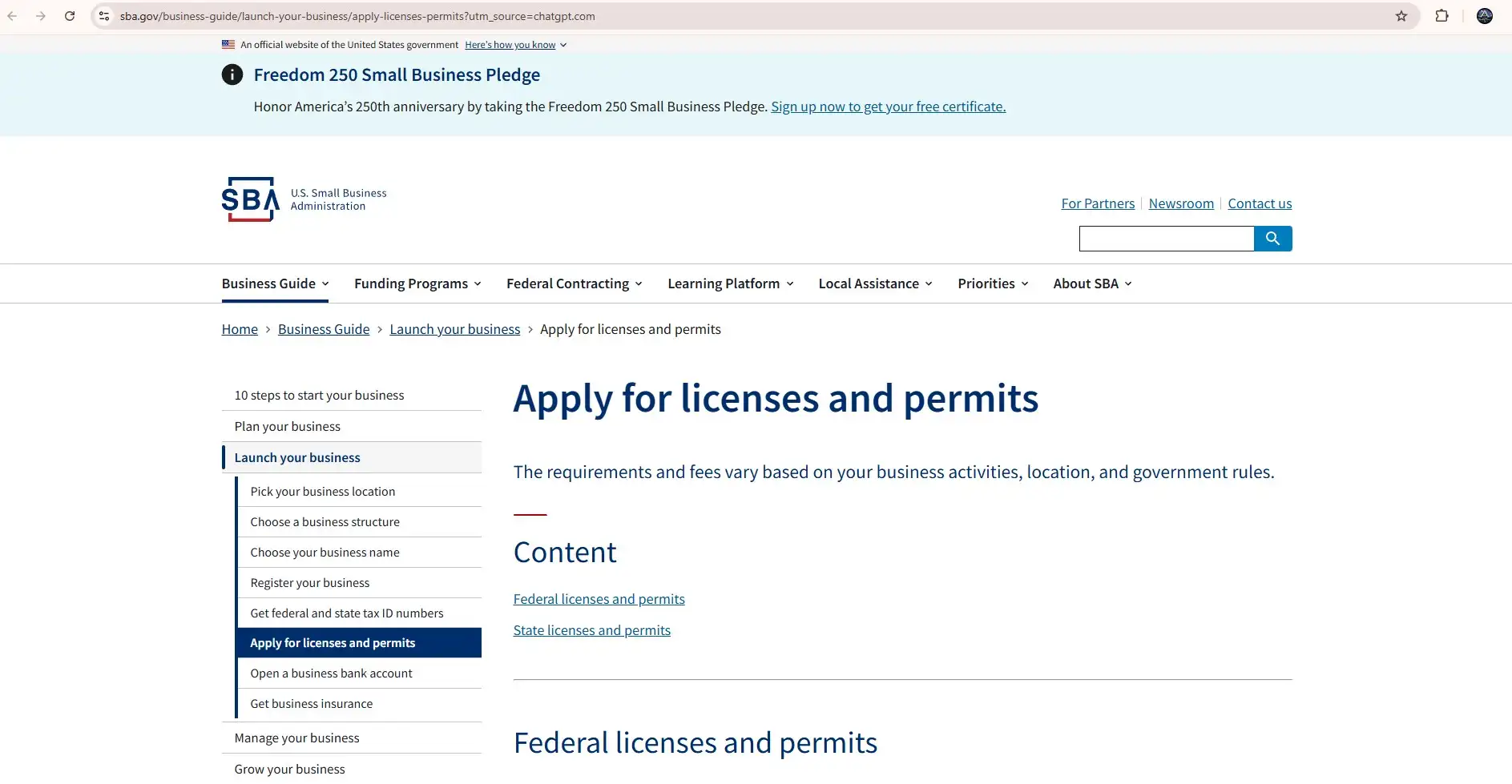
Federal guidance was used only for nationwide principles: SBA explains that licensing and permits depend on activity and location; FTC recommends checking government licensing records, insurance and written contract terms. NASCLA is used for exam-participation and multi-state licensing context, not as a licensing authority.
Official state PDFs were converted into practical sections without turning state-specific rules into national claims. California’s hiring checklist supplied identity, bids, contract, payment and recordkeeping checks. Washington’s homeowner guide supplied bond, insurance, permit, lien and unregistered-worker risk details. California’s complaint guide supplied evidence-packet and remedy distinctions.
- U.S. Small Business Administration — licenses and permits
- Federal Trade Commission — home-improvement scam prevention
- NASCLA — participating agencies for the accredited commercial exam
- NASCLA — accredited examination FAQ
- California CSLB — What You Should Know Before Hiring a Contractor (PDF)
- Washington L&I — Hiring a Contractor, Remodeler or Handyman (PDF)
- California CSLB — Consumer Guide to Filing Construction Complaints (PDF)
- USAGov — state consumer protection offices
Last substantive review: July 2026. Portals, thresholds, fees, forms, bond amounts, classifications and local rules can change. Use the live official record for every final decision.